01
Sand-Binding Biopolymer
Leather-derived fibres demonstrate natural adhesion between sand particles that bind the profile against shifting, wind and water erosion.
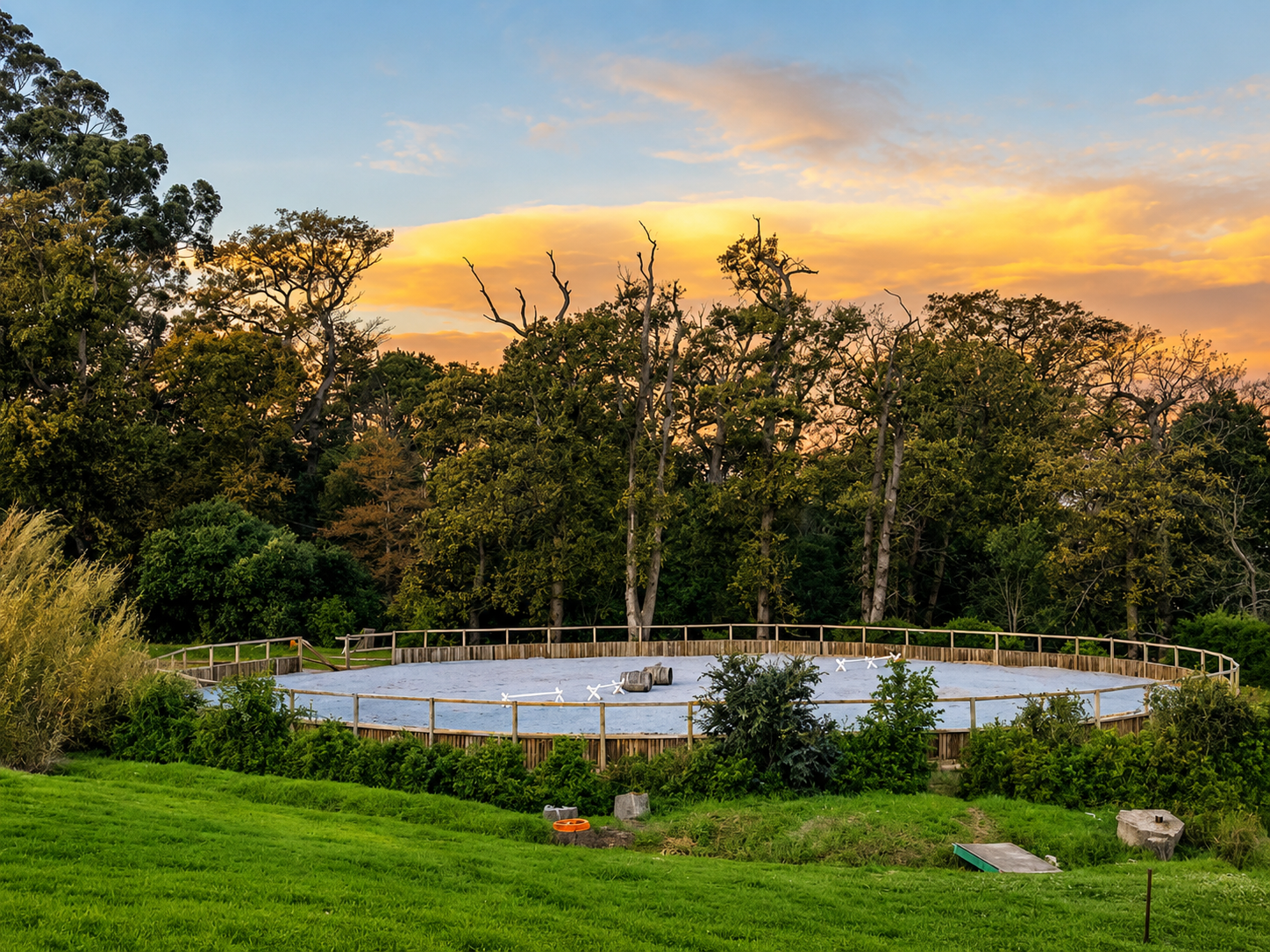
We process premium South African leather derivatives into high-performance arena additives. By utilising the natural sand-binding properties of leather biopolymers, ELS creates stable, highly dust-retaining, and water-efficient equestrian surfaces built for local environments.
The Material Science
ELS anchors its performance on verifiable mechanics - sand-binding adhesion, deep hydro-retention, dust suppression, and biomechanical load balancing - with a fully biodegradable, non-microplastic material profile.
Leather-derived fibres demonstrate natural adhesion between sand particles that bind the profile against shifting, wind and water erosion.
Finely processed leather locks moisture deep within the layer, keeping the surface damp for longer and actively mitigating airborne dust particulates.
By allowing controlled deformation, the footing increases total hoof contact area at impact, distributing load forces more evenly across the toe, heel, medial, and lateral hoof regions.
Maximum athletic performance requires solid force transfer. Our leather-fibre matrix delivers high-shear traction to prevent unsafe hoof slippage, while still allowing the natural, microscopic slide required to disperse rotational energy.
Hoof-Interaction Simulator
Each additive module isolates the exact mechanical behaviour upon impact - bind, displace, absorb, fragment.
Natural leather fibres compress like tiny springs, lock in a fine moisture mist to suppress dust, and physically bind sand particles together to prevent shifting. Delivers high-shear traction to prevent unsafe slipping while allowing the microscopic slide required to naturally disperse rotational impact forces.
Loose rubber chunks fly outward on impact. A hazy charcoal-grey particle cloud rises with microscopic warning markers representing leached PAHs, phthalates and respirable dust. Lacks structural particle cohesion, leading to unstable shear resistance and unpredictable lateral hoof-slip under load.
Dry, coir fibres shrink into loose, dusty debris under the hoof. Wet, coir swells like heavy sponges, turning the surface into over-saturated slush and unstable footing. Shear strength fluctuates wildly with the climate - losing traction when dry and crumbling, or shearing into an unstable, slick slush when over-saturated.
Geotextile fibres perform stably but fray under repeat impact, splitting into permanent microplastic particles that contaminate the sand - inseparable at end-of-life. Creates an ultra-rigid mechanical grip with zero rotational slide, causing a sudden halt that redirects high peak impact forces back up the limb.
Select a class to isolate its environmental profile, performance strength, and primary concern.
Circular / biodegradable
Sand-binding · Dust suppression · Moisture retention · Symmetrical loading
A newer product in an established industry
CIRCULAR ENGINEERING · WASTE VALORISATION
Applications
Consistent underfoot from centreline to letter.
Hover a discipline to preview the surface
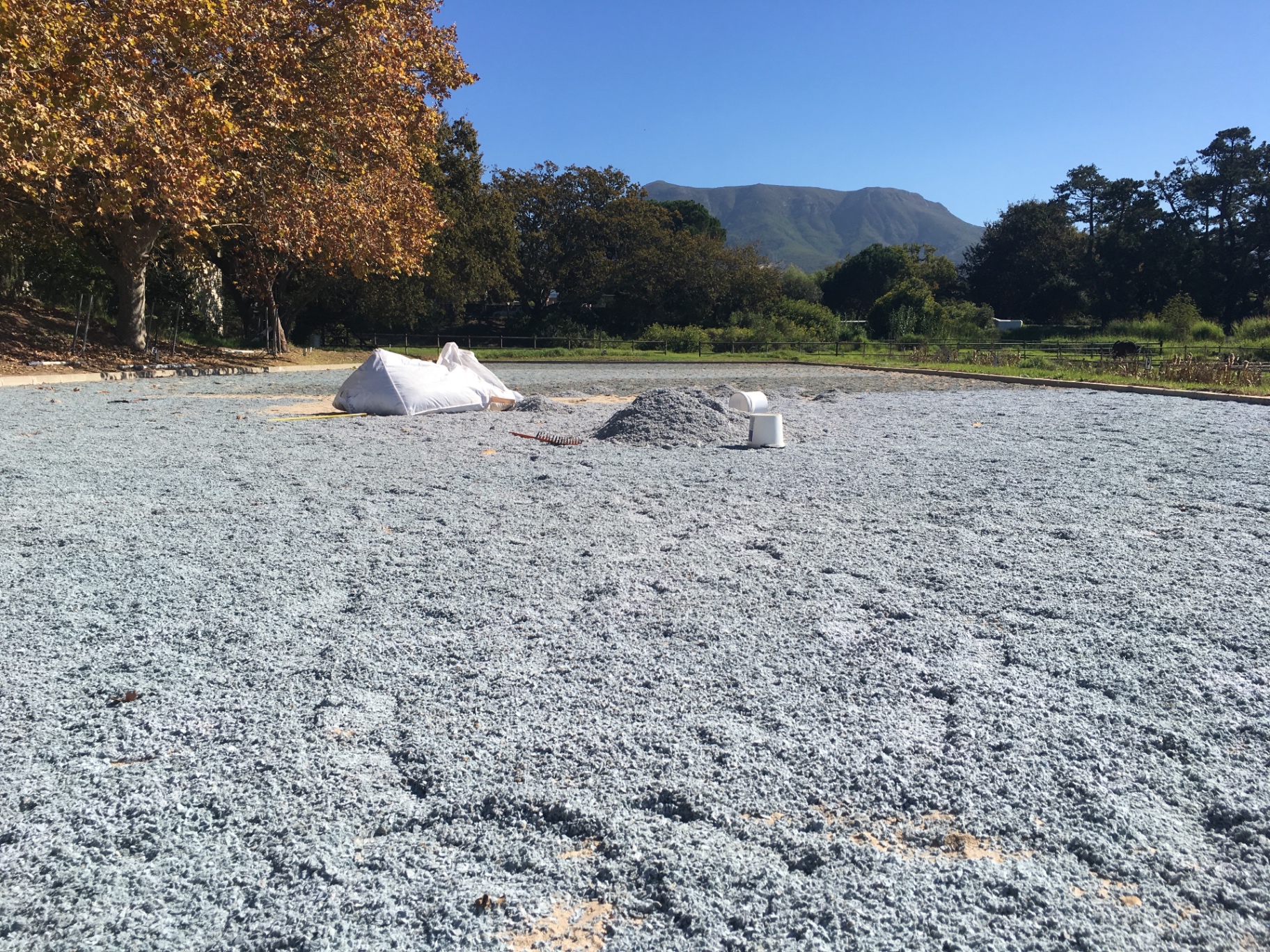
Before & After
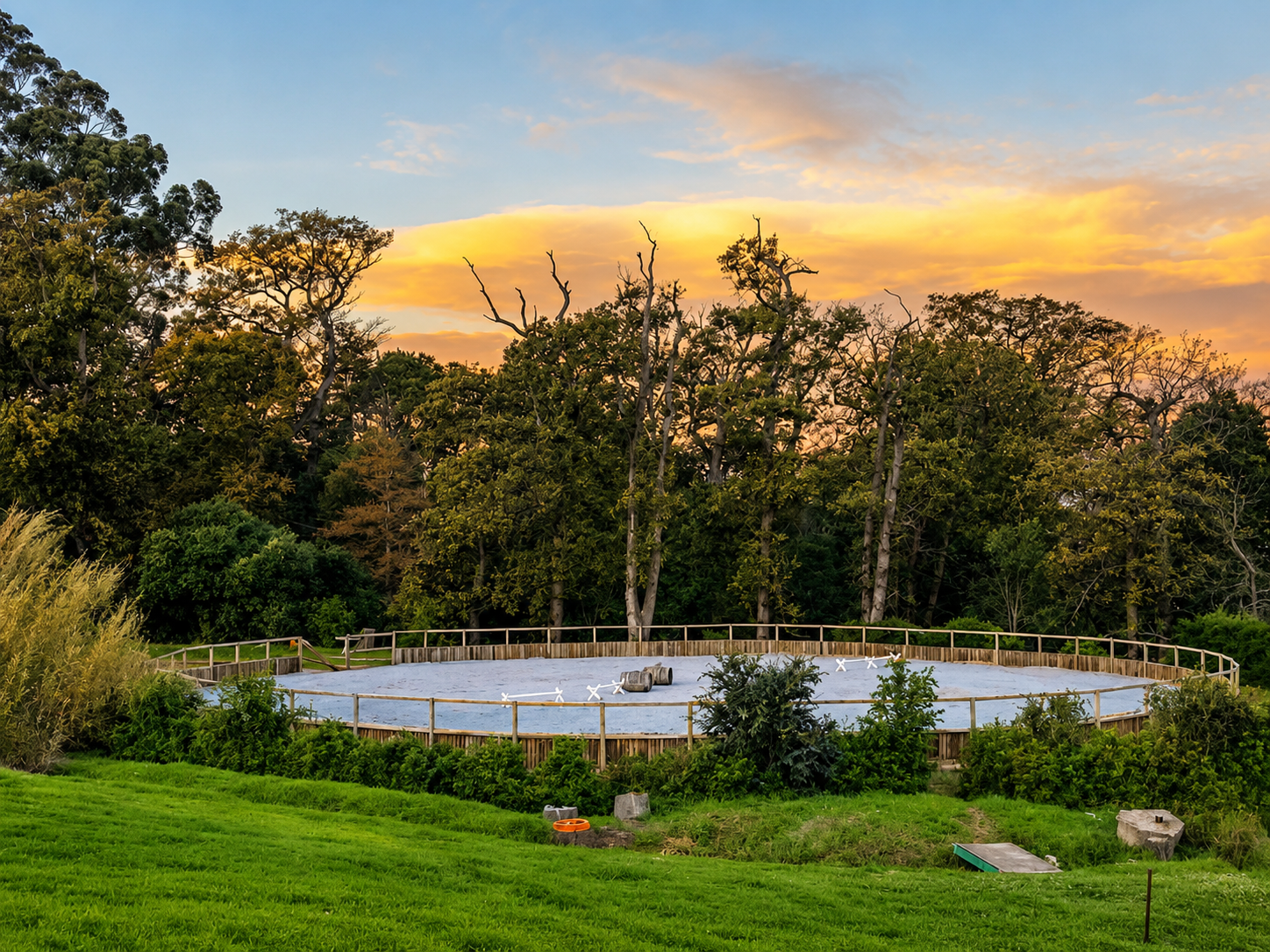
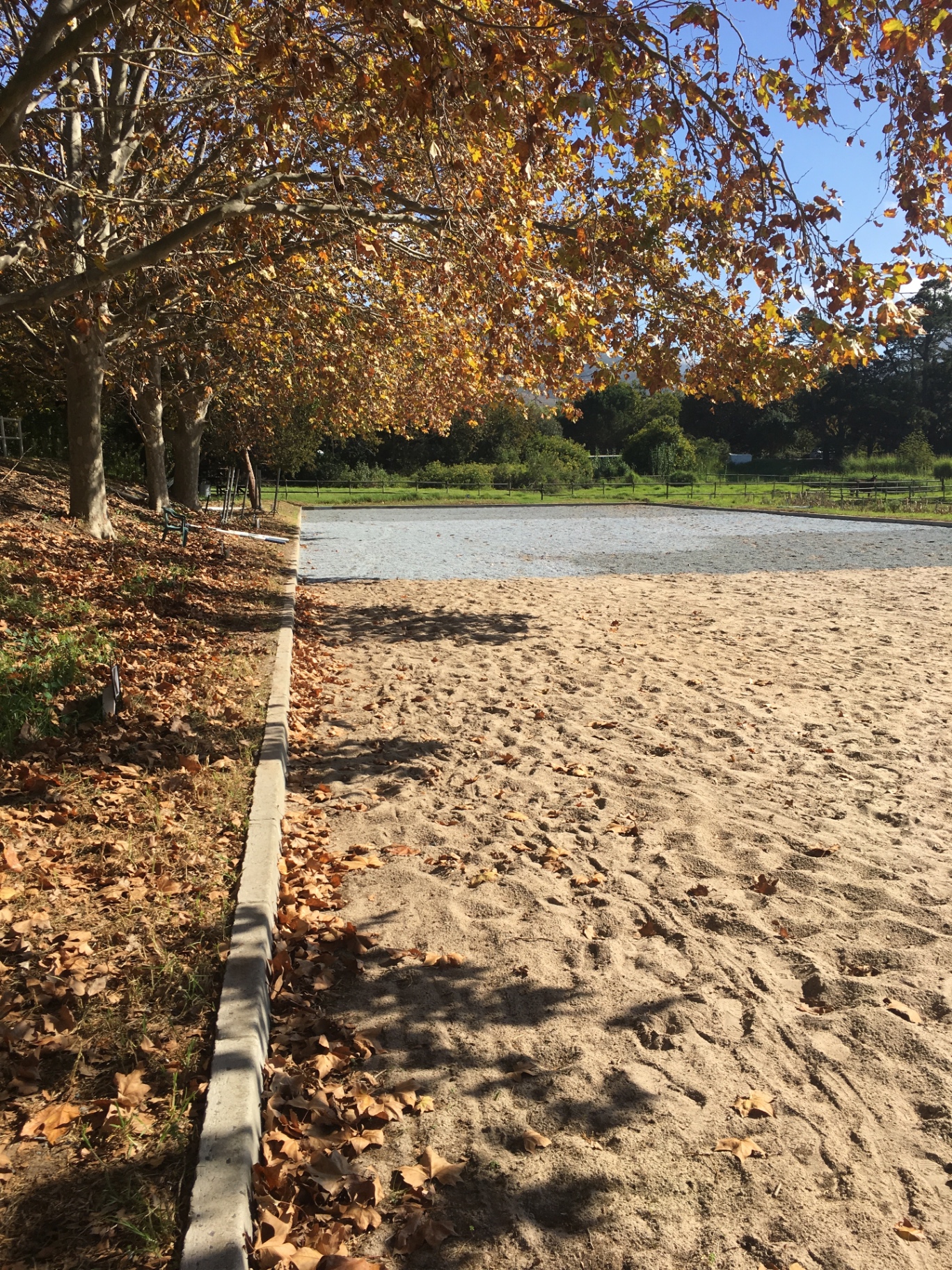 Standard SandELS Treated
The Alternatives
Hover or tap each card. Front: the material and its liability. Back: the specific environmental and performance consequence.
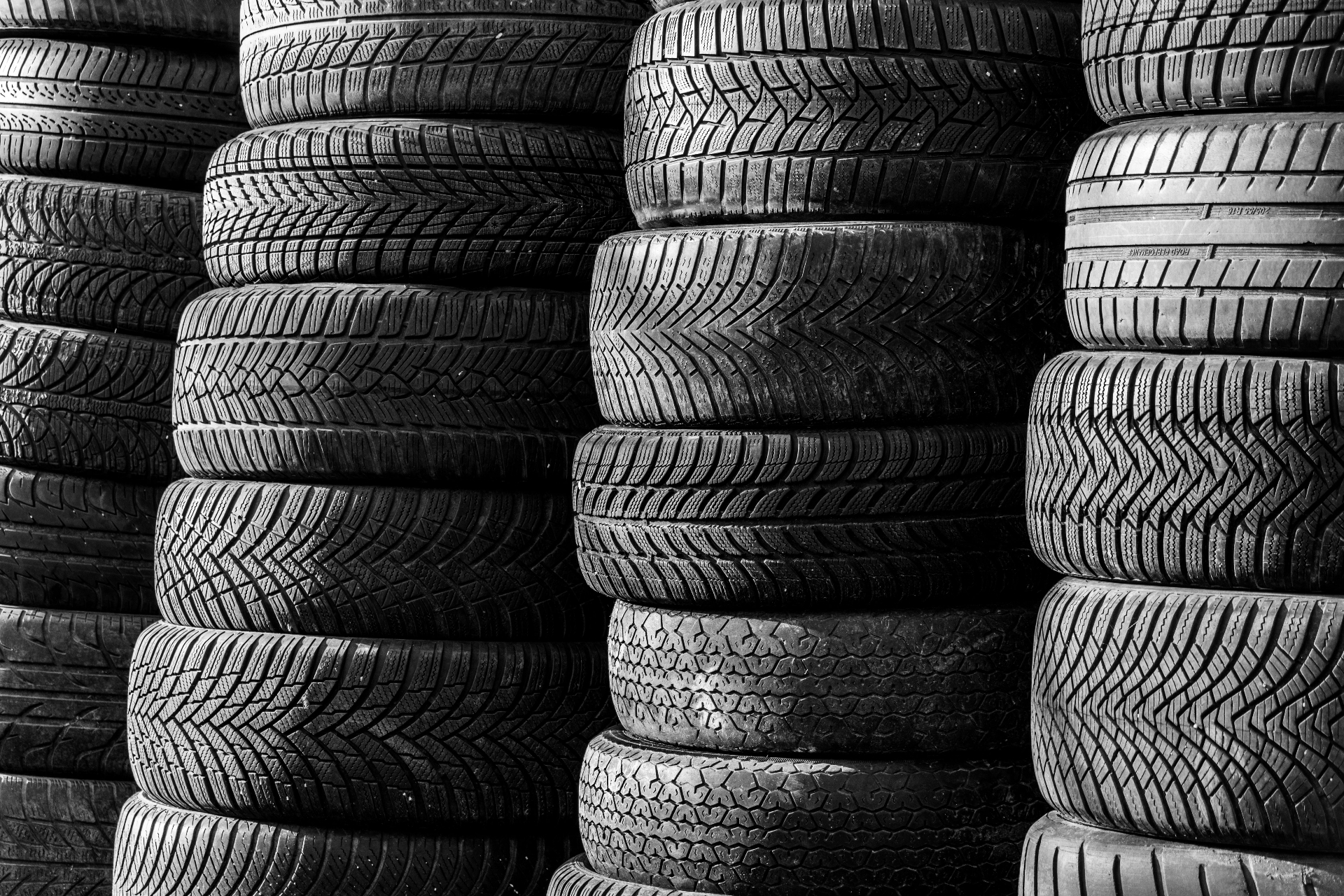
While it offers basic cushioning, it introduces documented environmental and user liabilities: hazardous chemical compounds, heavy metals and carcinogenic PAHs, plus respirable particulates that compromise air quality for horse and rider.
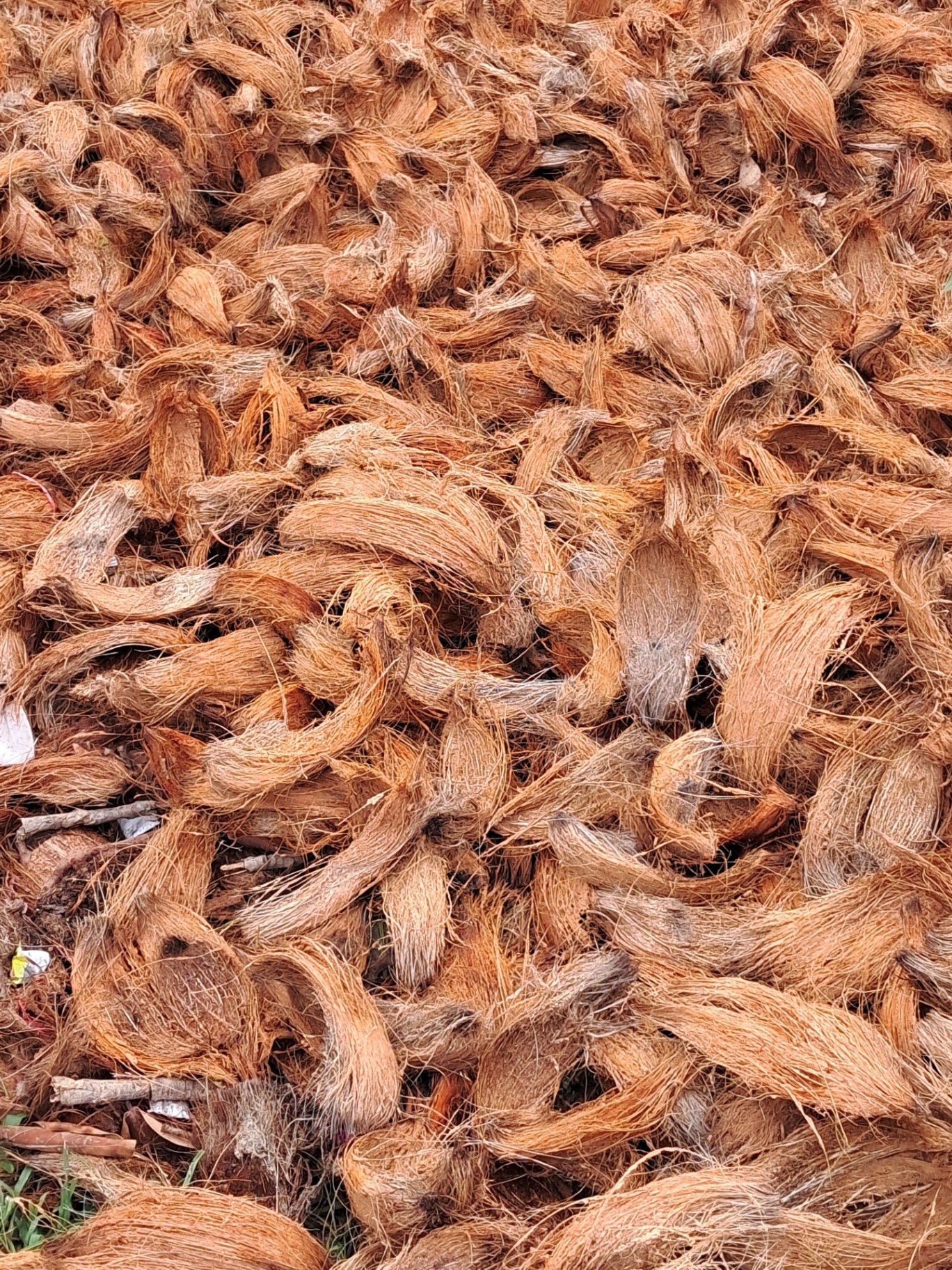
Often positioned as natural, but highly sensitive to climate. In humid or wet environments, extreme moisture retention can result in over-saturation, poor surface consistency, and a higher risk of microbial growth.
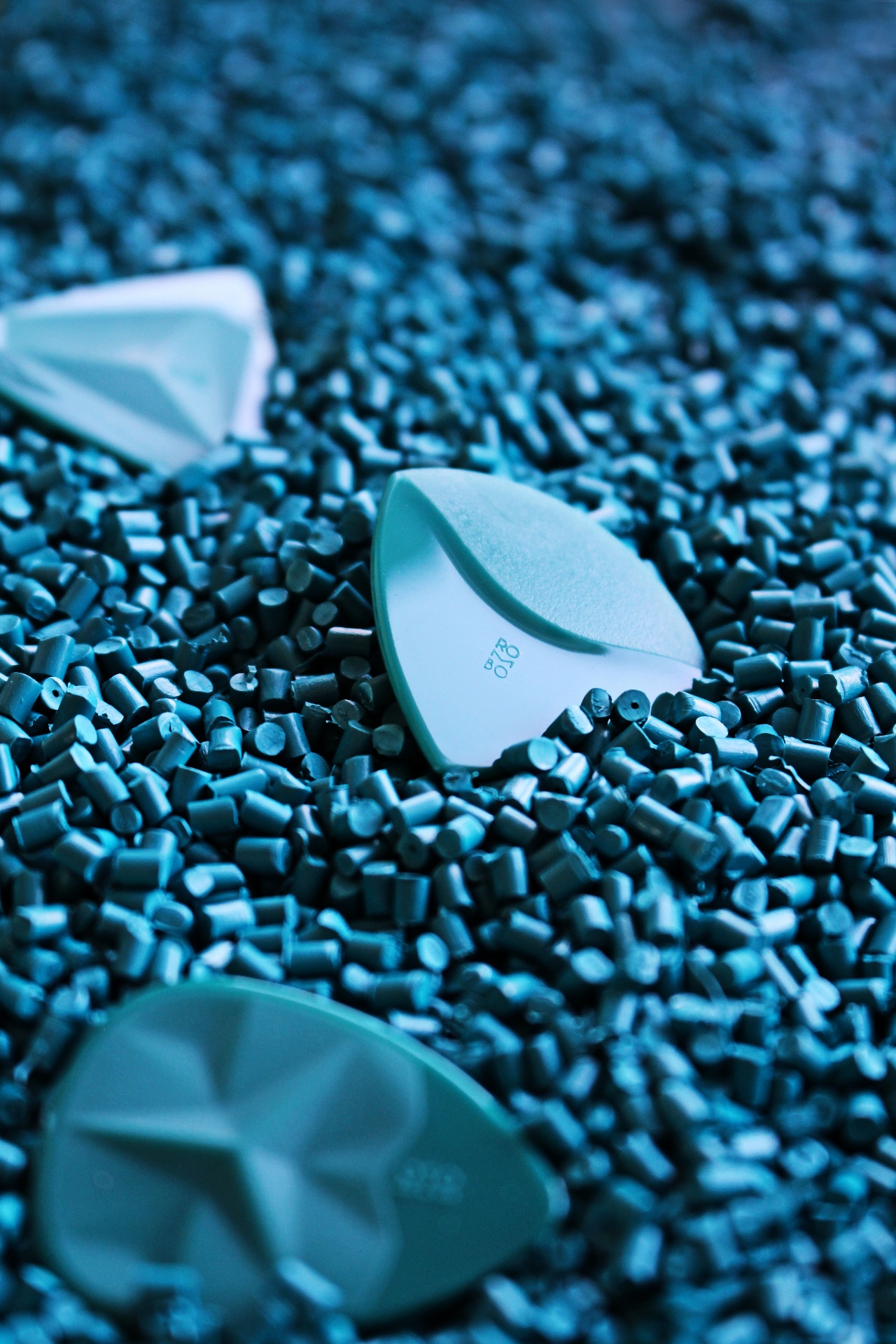
Popular but mixed inseparably with sand. Users are left with a lifelong microplastic waste liability that cannot be cleanly discarded at end-of-life.
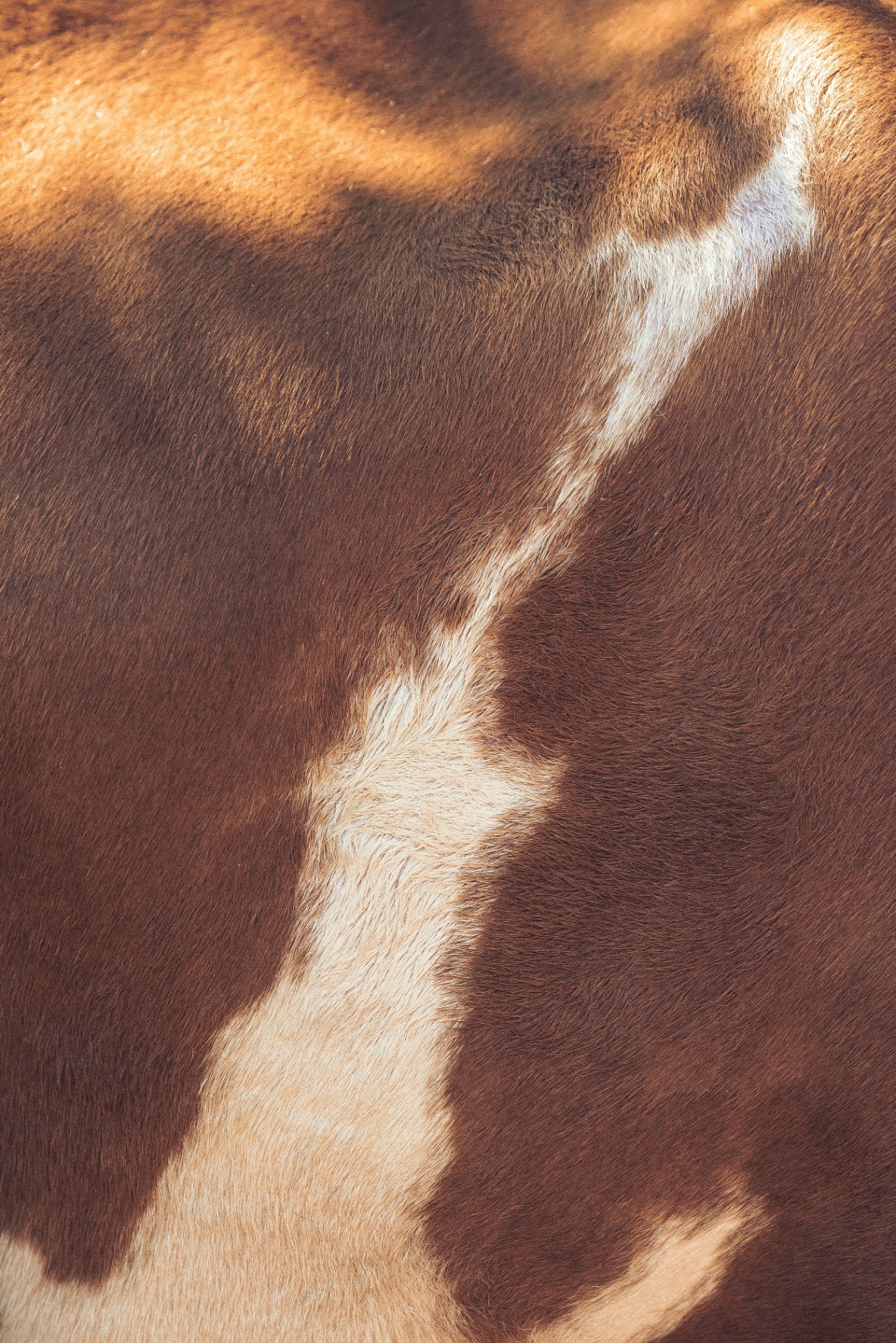
ELS is a deliberate, premium engineering choice — chosen over crumb-rubber, coir and synthetic-fibre blends for its verifiable mechanics, dust suppression, moisture retention and clean, biodegradable end-of-life profile.
Gallery
FAQS
While surface consistency is a critical factor in horse health, direct equine orthopedic trials for individual arena additives are limited across the entire industry. We focus entirely on the verifiable physical mechanics: excellent impact conditioning, superior grip stability, and maximum dust suppression to protect respiratory health.
Finely processed leather is highly water-retentive. It binds sand particles together to lock in moisture, meaning your arena stays damp and dust-free significantly longer — drastically lowering your maintenance and watering schedule.
Yes. It mixes directly into your current sand to improve moisture retention and sand-binding stability — no full rebuild required.
No. Unlike crumb-rubber (which carries documented chemical, heavy-metal and PAH liabilities) or synthetic geotextile blends (which fragment into permanent microplastics), ELS is a leather-derived biopolymer with a fully biodegradable end-of-life profile.
You groom it exactly like a standard arena. You'll water less often, because the leather-derived layer holds moisture within the profile.
Both. We adjust the blend to your arena's climate and exposure, with variants for covered and open outdoor surfaces.
We deliver nationwide across South Africa, packaged and ready to spread. Volumes and logistics are confirmed at quotation.
Enquiries
Share your arena dimensions and location. We respond with a specification and a formal quote.